
A little about this find
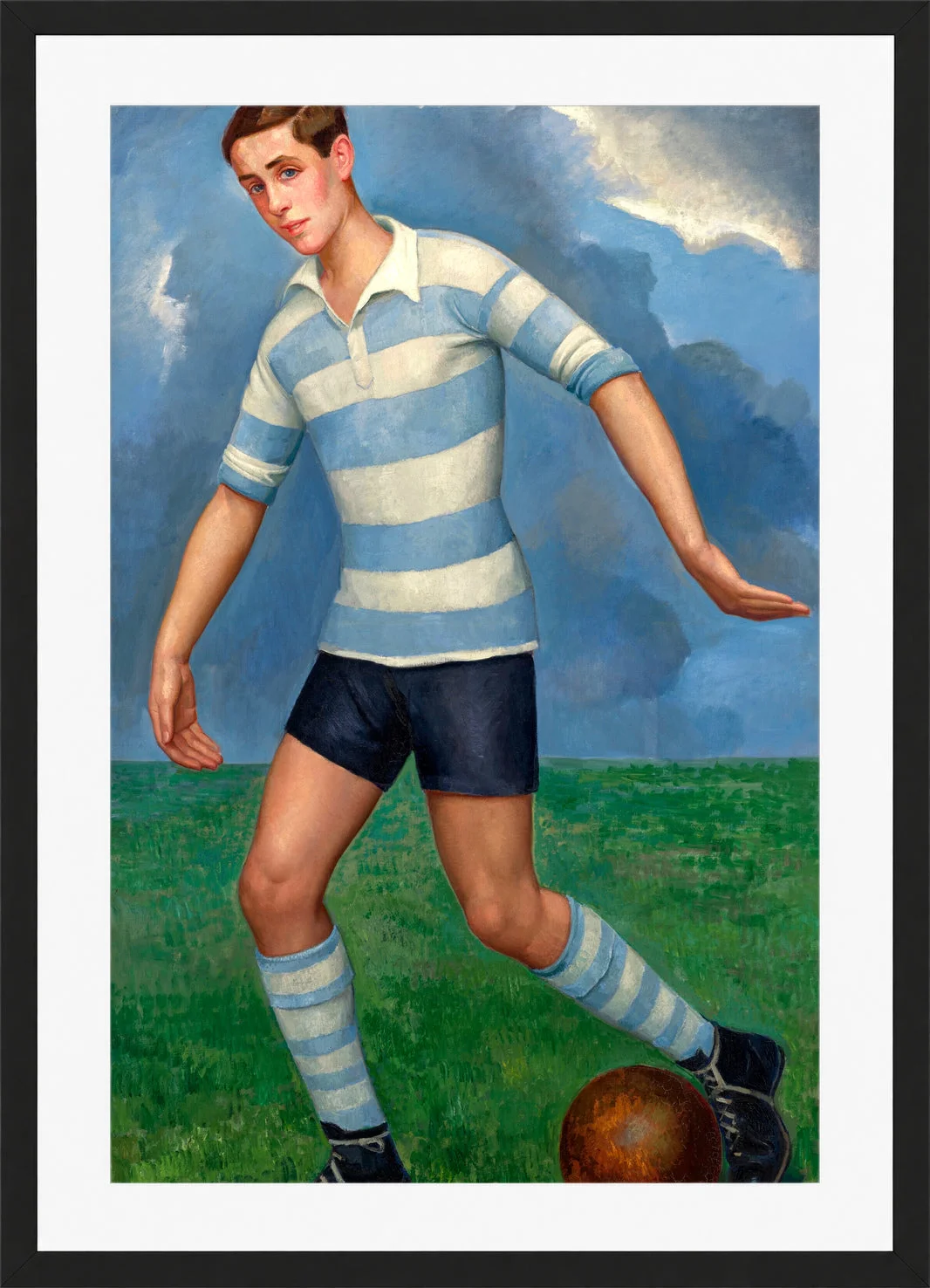
Retrato de Ernest Charles Gimpel (1929) by Ángel Zárraga. Naming Ernest Charles Gimpel in the title makes this painting unmistakably an individual portrait rather than a general figure study. The Spanish word retrato indicates the artist's central task: to represent a recognisable person while making a coherent picture. Names provide a way into a work, but they can also tempt viewers to replace visual attention with speculation about a sitter's biography. The portrait is more interesting when those two things are kept distinct. The identity is recorded; the manner of representation must be discovered by looking.
Retrato de Ernest Charles Gimpel: looking at the artwork
A successful portrait can convey presence through the relationship between the subject and the surrounding pictorial space. The year 1929 locates this particular encounter without telling us the setting or occasion of the sitting. What the painting offers is therefore a meeting of specificity and interpretation. Ernest Charles Gimpel is not an anonymous figure, yet the viewer's experience of him depends on how his likeness has been translated into the language of paint.
The sitter's full name gives the artwork a clear documentary foothold, but a portrait also creates its own kind of knowledge. Its arrangement may affect how the person is encountered by people who never met him. This ability to carry a human presence across time is central to the genre.
↺ New
Ángel Zárraga Fine Art Print, Retrato de Ernest Charles Gimpel (1929)
 FROM THE SHOP OFGallery Thane
5600 available
SellRiot Fee included
Shipping & tax calculated at checkout.
Choose a variation to see its shipping weight.
Shop policies Shipping, cancellations, returns & refunds
Shop policies
This shop hasn’t published its shipping, cancellation, return, refund, or exchange policies yet.